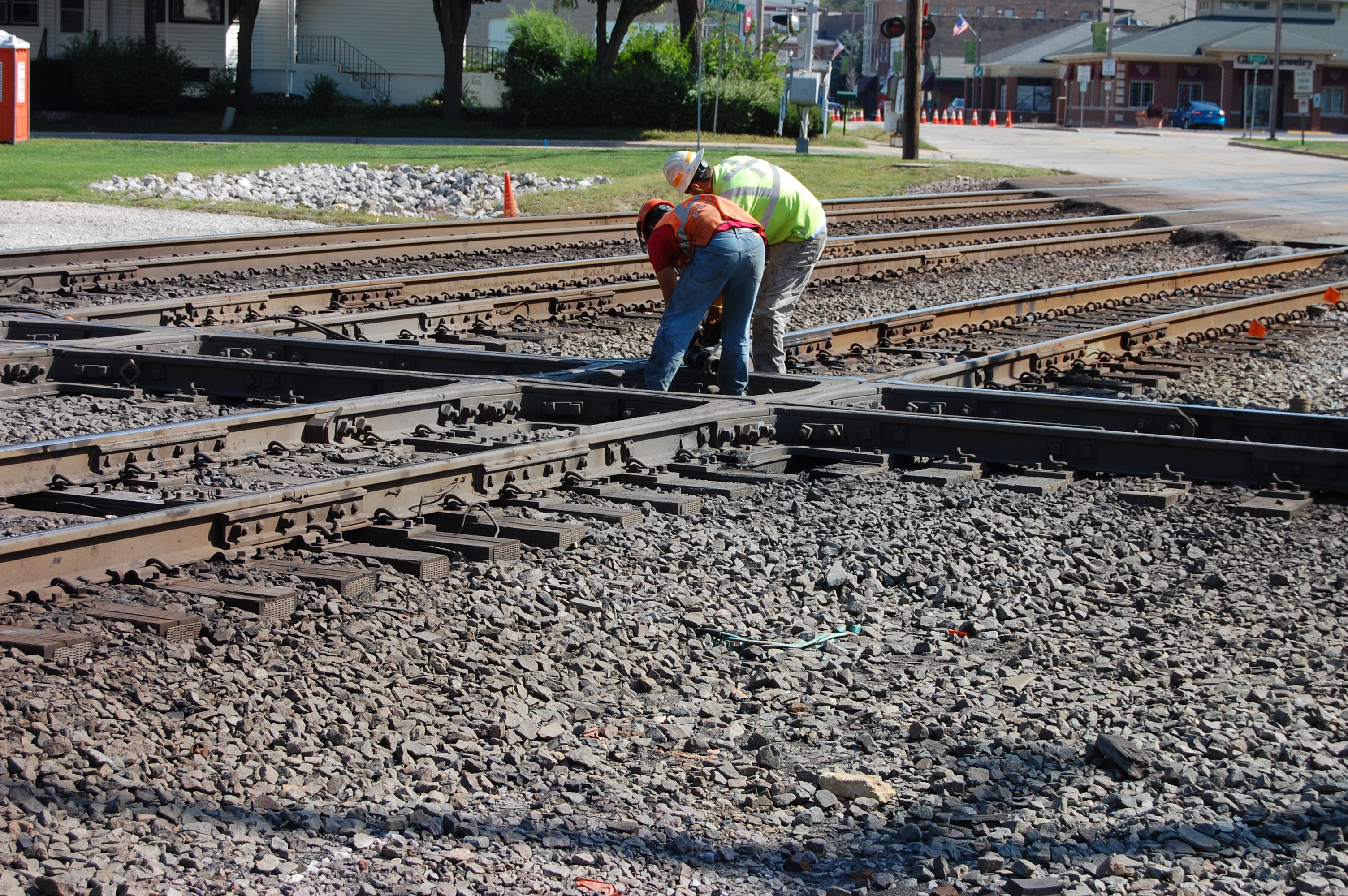
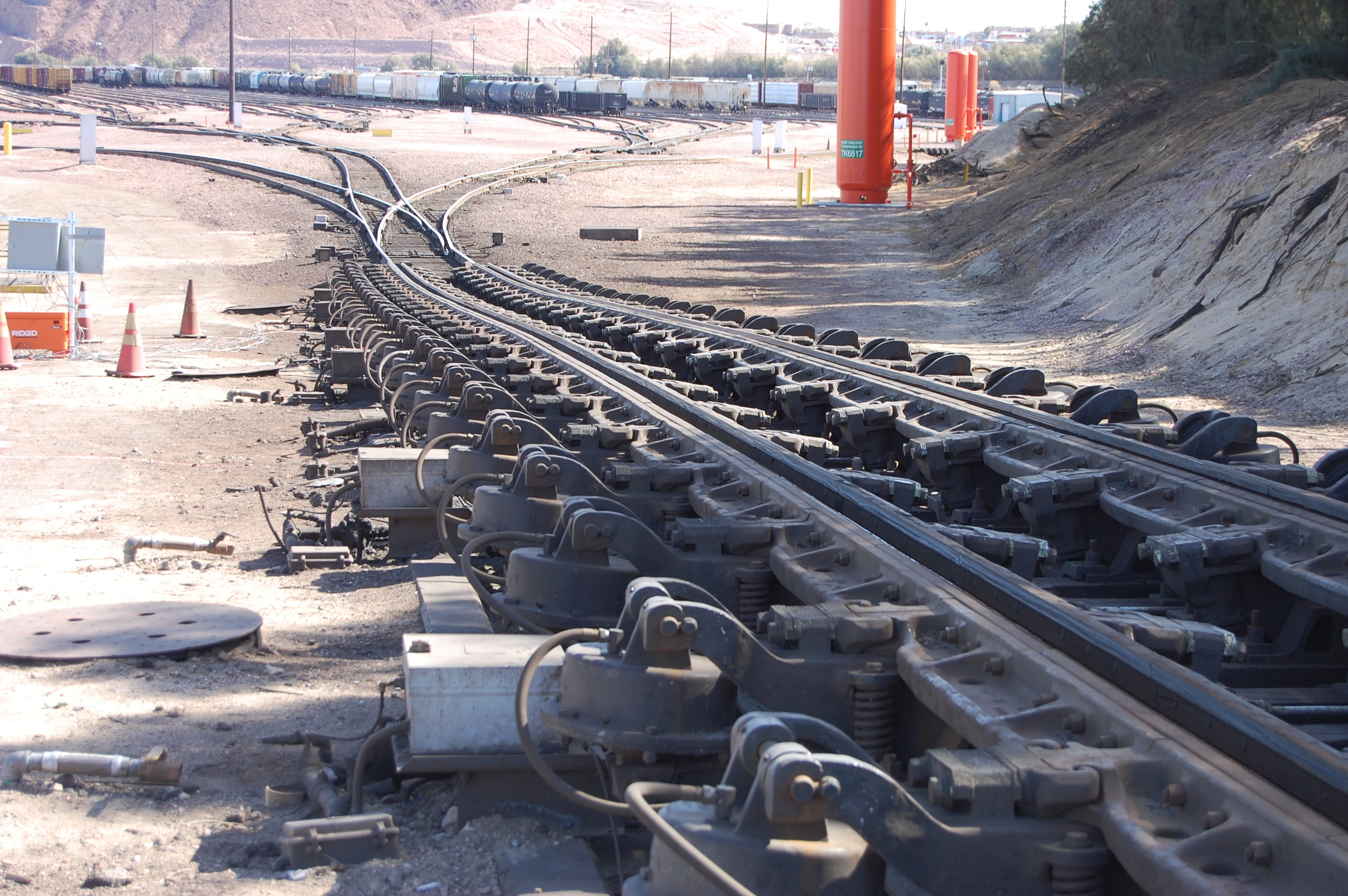
A track crew dressing rail at a crossing diamond. For railroad tracks to cross each other, such a diamond creates a necessary but unfortunate gap in the rails. The train’s wheels pass over the gap, causing a brief high-impact event of wheel on rail. This can gradually deform the rail locally, as well as degrade the ballast over time. Crossing diamonds are track segment requiring ongoing maintenance.
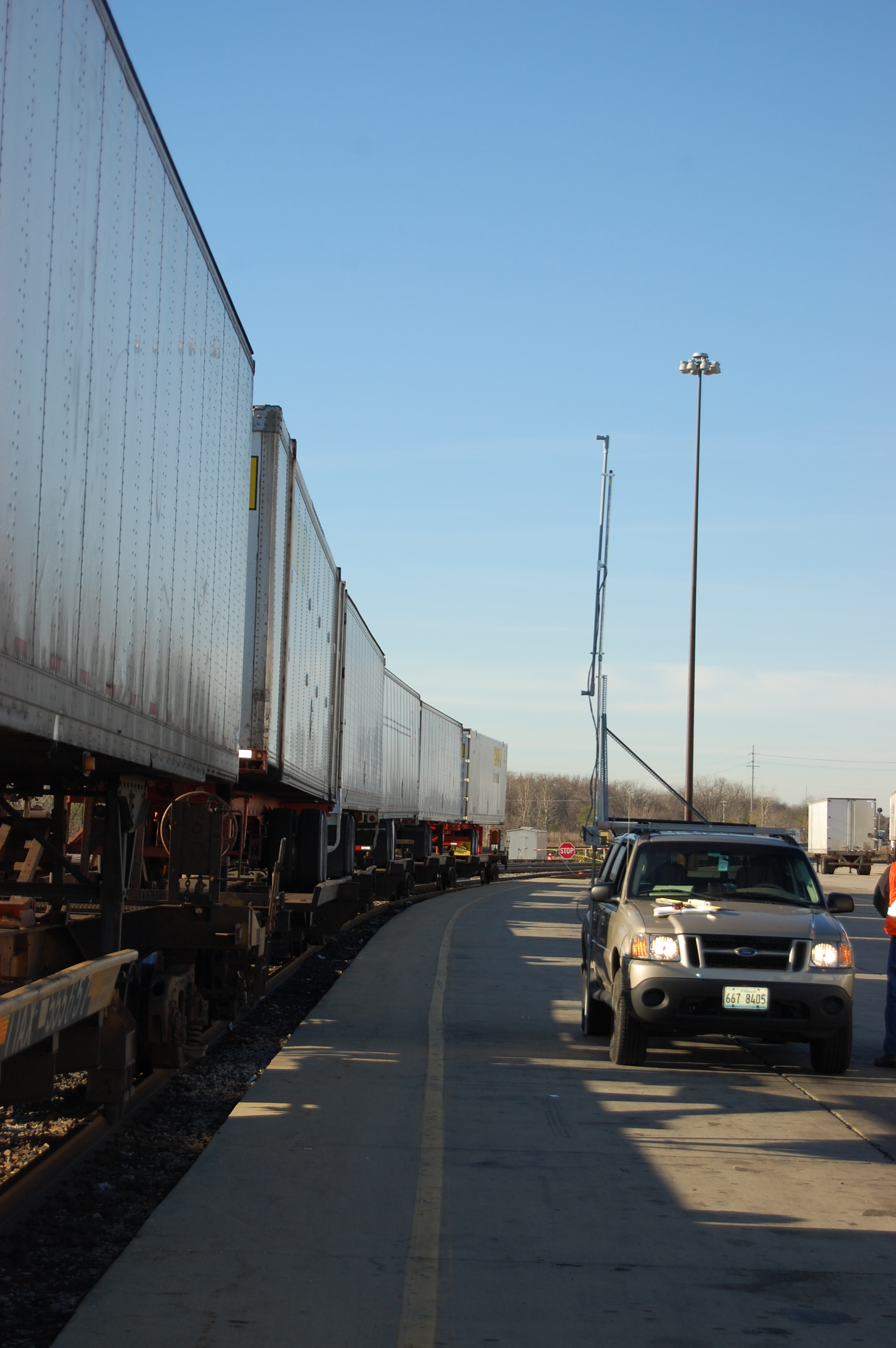
In 2013, Objective Engineers was tasked to investigate leaning intermodal railcars. We developed an ultrasonic measuring array (shown attached to this pickup truck) which measured the leaning angles of trailers and containers as trains entered a railroad yard.
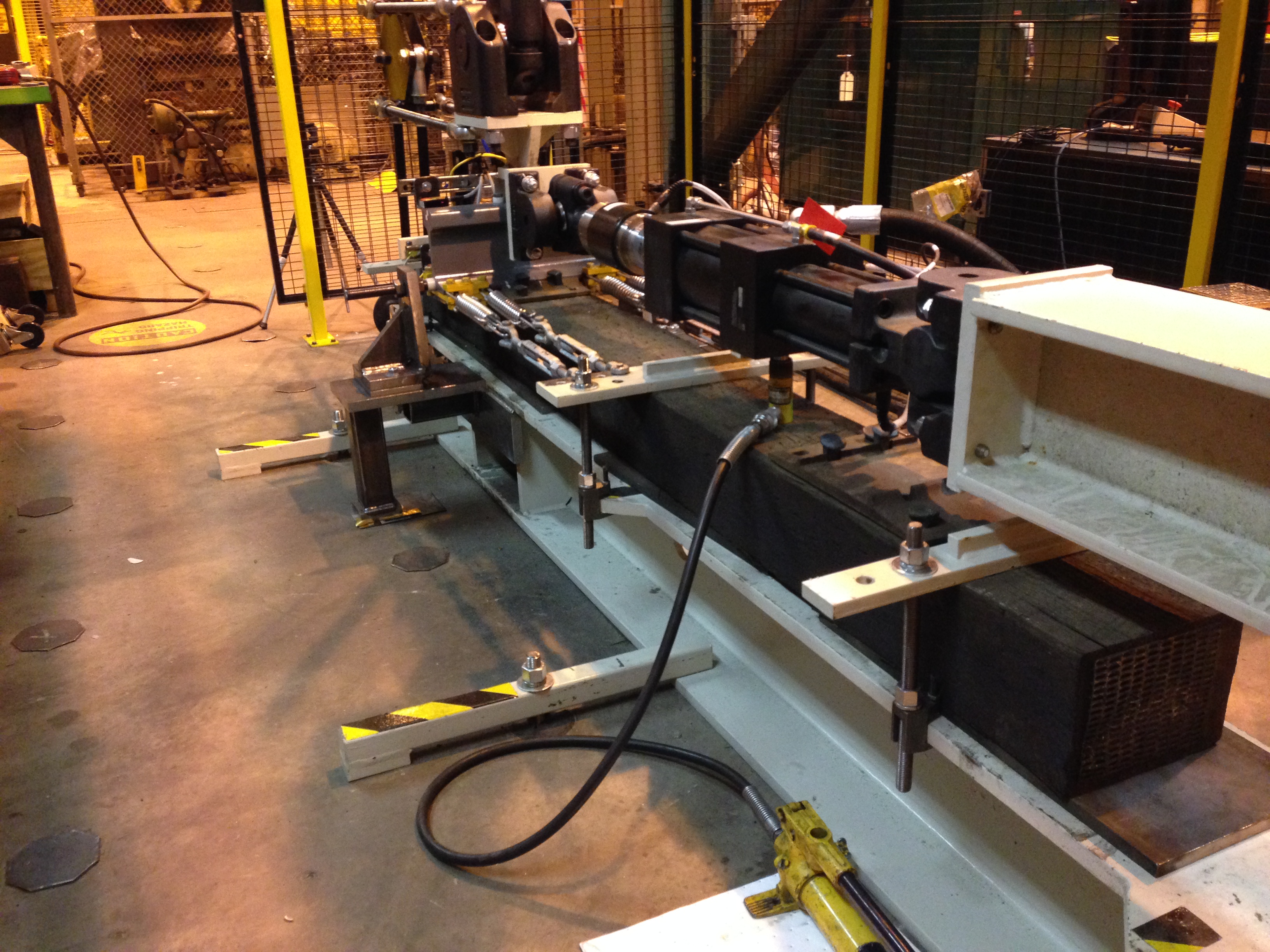
In 2013, Objective Engineers was called upon to design a new laboratory fixture and supporting hardware for AREMA Test 6: “Tie and Fastener System Wear/Deterioration Test.” This shows the installation of the test rig, which applies vertical and lateral wheel forces on a rail and tie, for 3,000,000 cycles, plus sand and water drips, between temperatures of -40 and 135 degrees F.
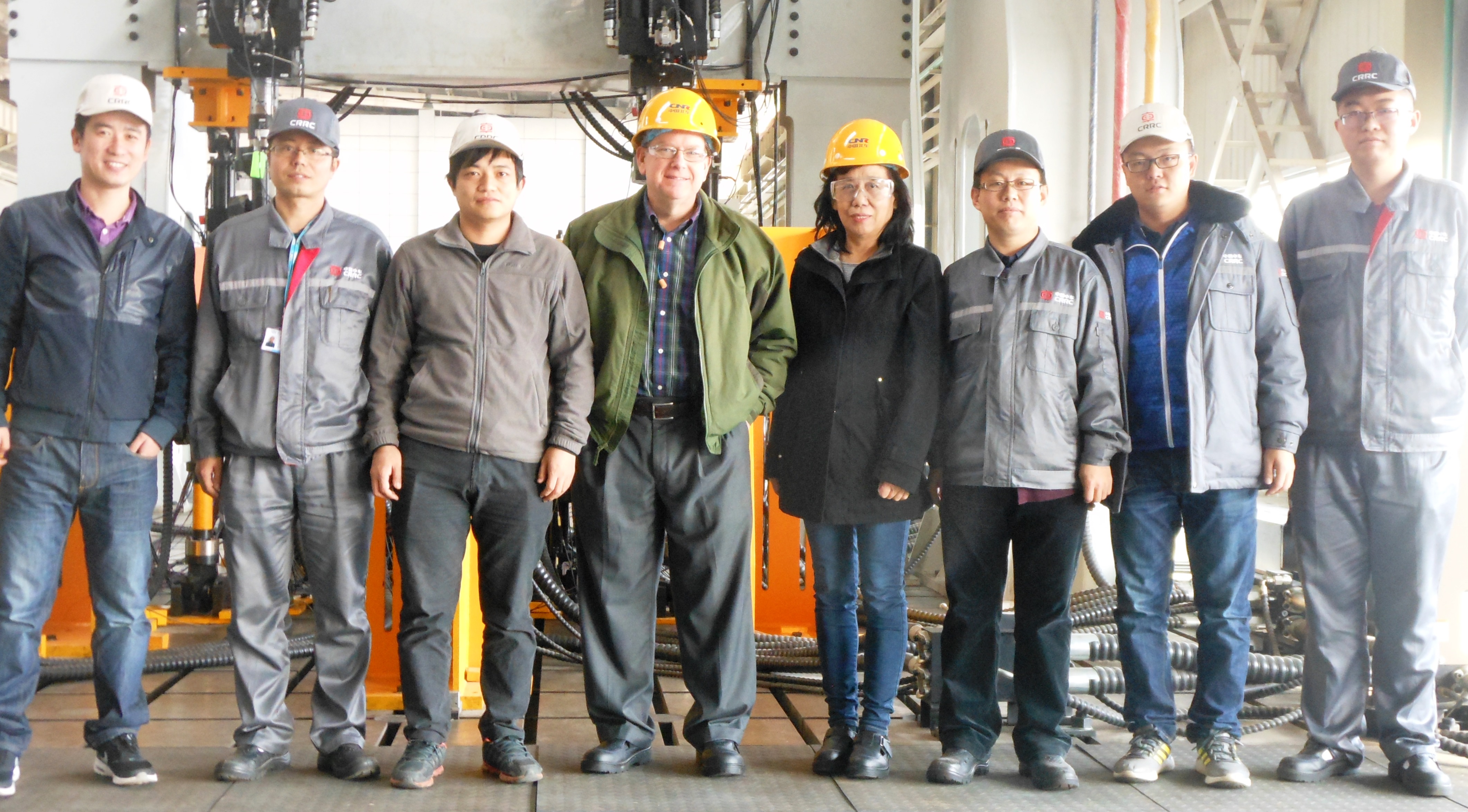
In 2016, Objective Engineers was called upon to evaluate an international railway testing lab. Mr. Shust is shown here with onsite personal, during the inspection trip.
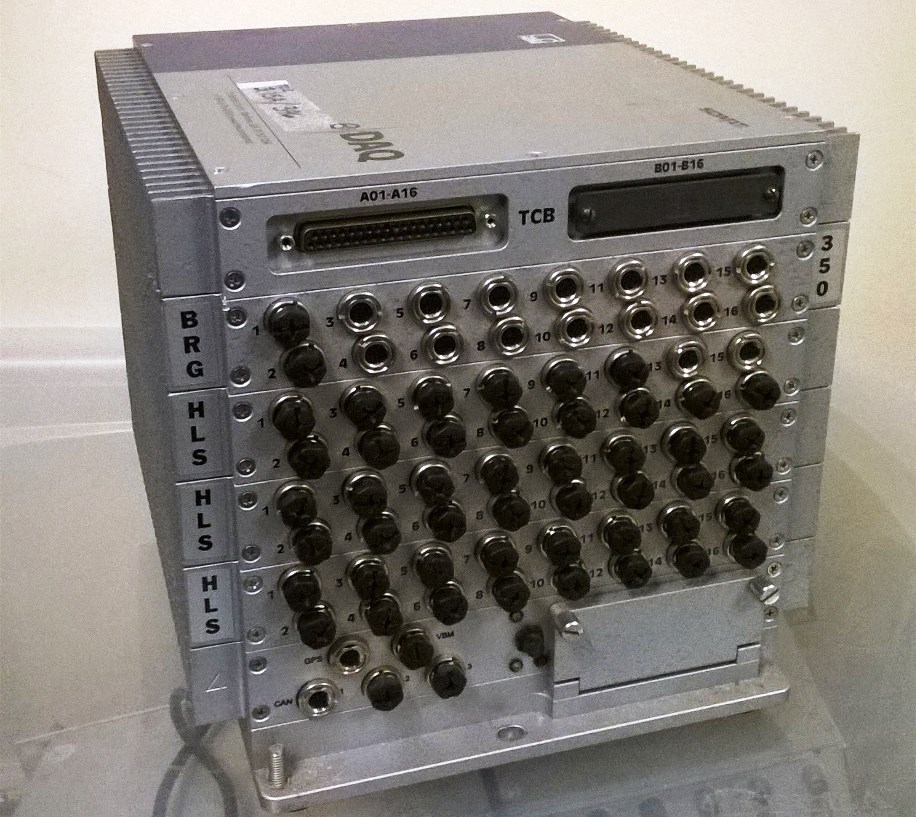
This is a HBM/Somat unattended data logger called an eDaq. It contains no moving parts but can record 64 channels of strain, vibration, temperature, etc. It operates on 120 or 12 volts. It can also be rented from Objective Engineers.
This is a static load test of a railroad sideframe. The center area is being pushed downward, resulting upward reactions occur at the left and right ends. The side frame must not break, nor permanently deform. Objective Engineers has been tasked to inspect and certify multiple labs’ ability to perform testing to AAR specifications M-202, M-203, and M-205.
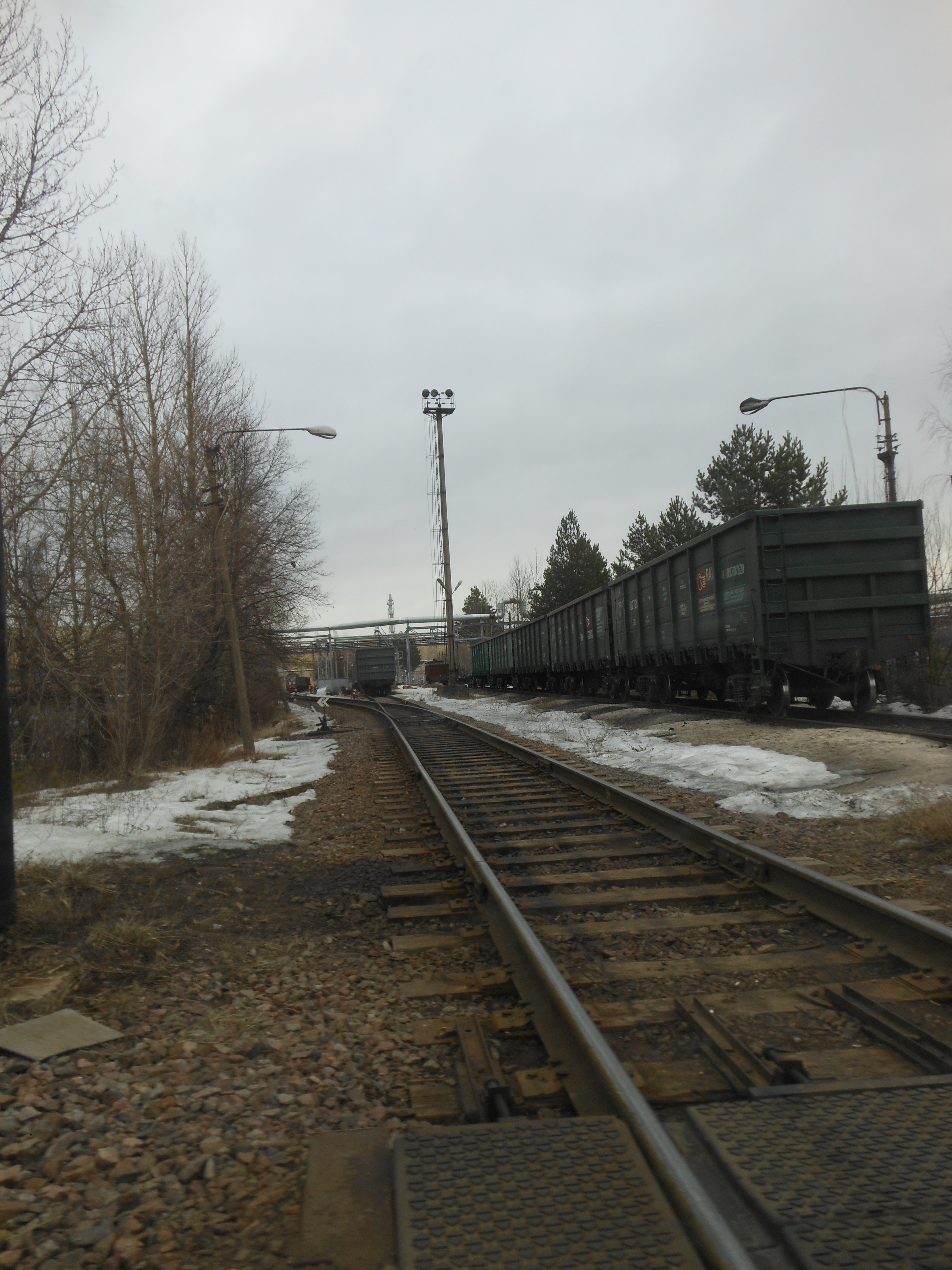
An industrial piece of track in the Russian Federation. Objective Engineers was tasked with inspecting a test lab here in 2016.
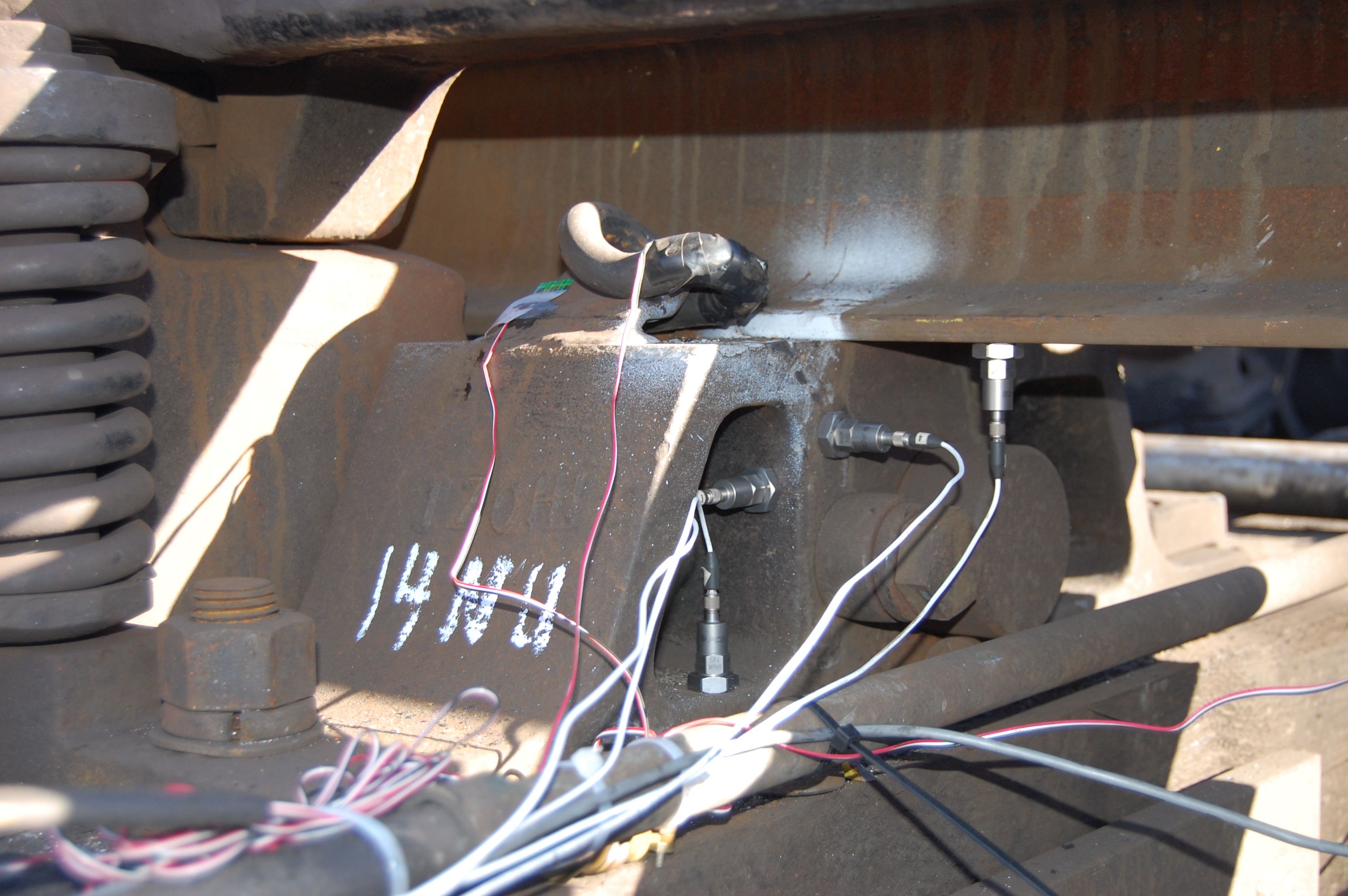
Strain gages and accelerometers on a railcar retarder.
Objective Engineers was tasked to investigate failures of railcar retarders in hump (sorting) yards. Cars roll down this hill, a computer estimates their kinetic energy and rolling resistance, and slows them to the best speed for a 4 mph coupling event–based on the distance and track number to which they will be sorted at the hill’s bottom.
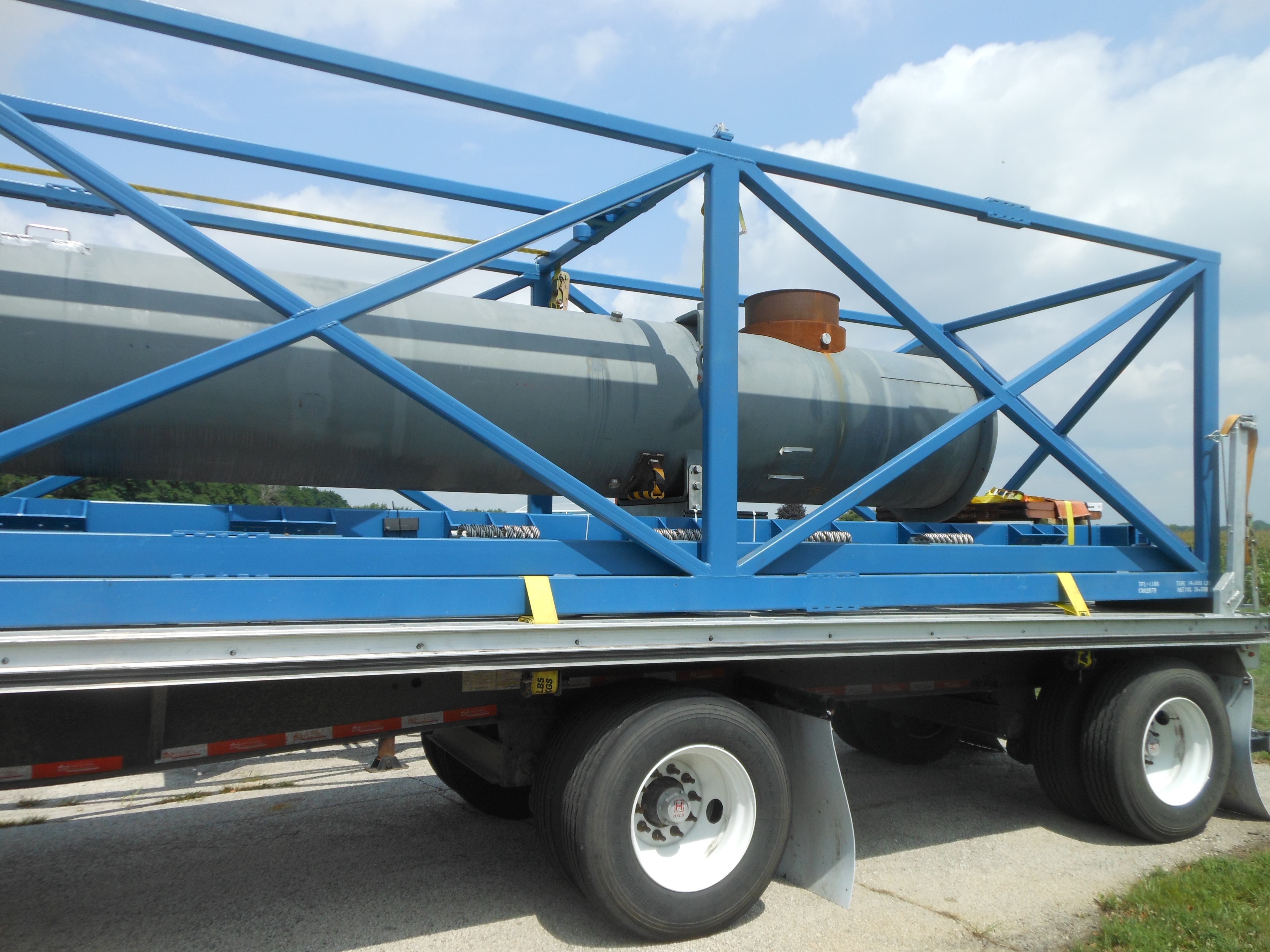
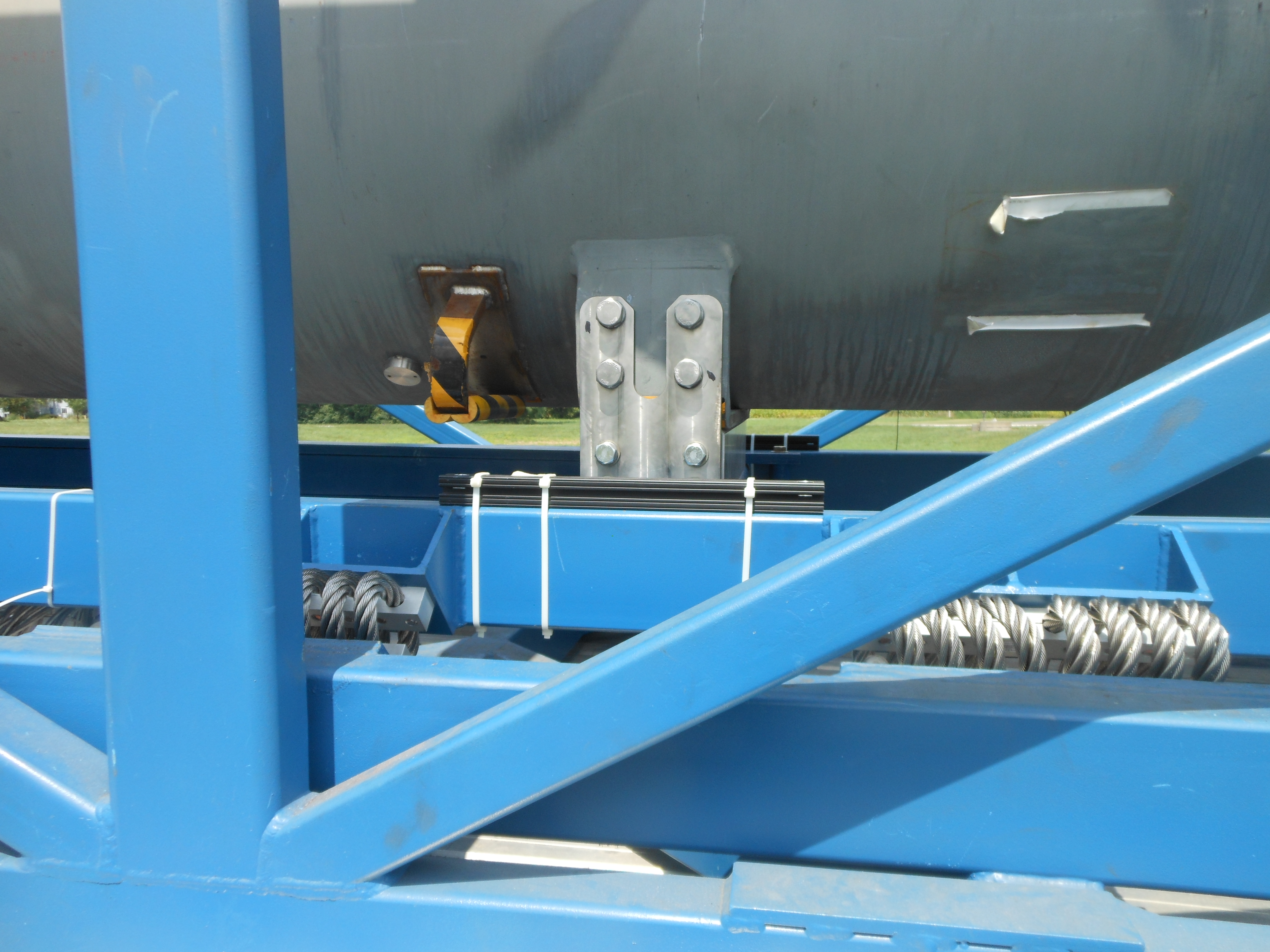
Shipping cage and vibration isolators for cryomodule transportation. In 2018-19, transportation trials were unsuccessful in delivery of two early assemblies of cryomodules. Objective Engineers was contacted, and hence assisted two national labs with the identification of best practices for transporting several dozen delicate pieces of a linear particle accelerator from Illinois to California.
The cryomodule to be transported is supported by two nesting truss-like shipping frames (blue members). An array of flexible wire-rope shock and vibration isolators connect the inner frame to the outer frame. The outer frame is then secured to the Class 8 air-suspension flatbed trailer. Careful planning of the route is required for safe transit of this delicate piece of technology.
As a railcar negotiates a switch or turnout in the track, it encounters a special piece of trackwork call the frog. This is where the new direction of travel diverges from the original route, and the wheel must successfully travel through a flangeway gap. This wheel is rolling toward the viewer and is about to reach the throat of the frog. Notice that the contact point between the wheel and rail is at the right edge of the tread.
A detailed view of a railcar wheel negotiating a switch frog.
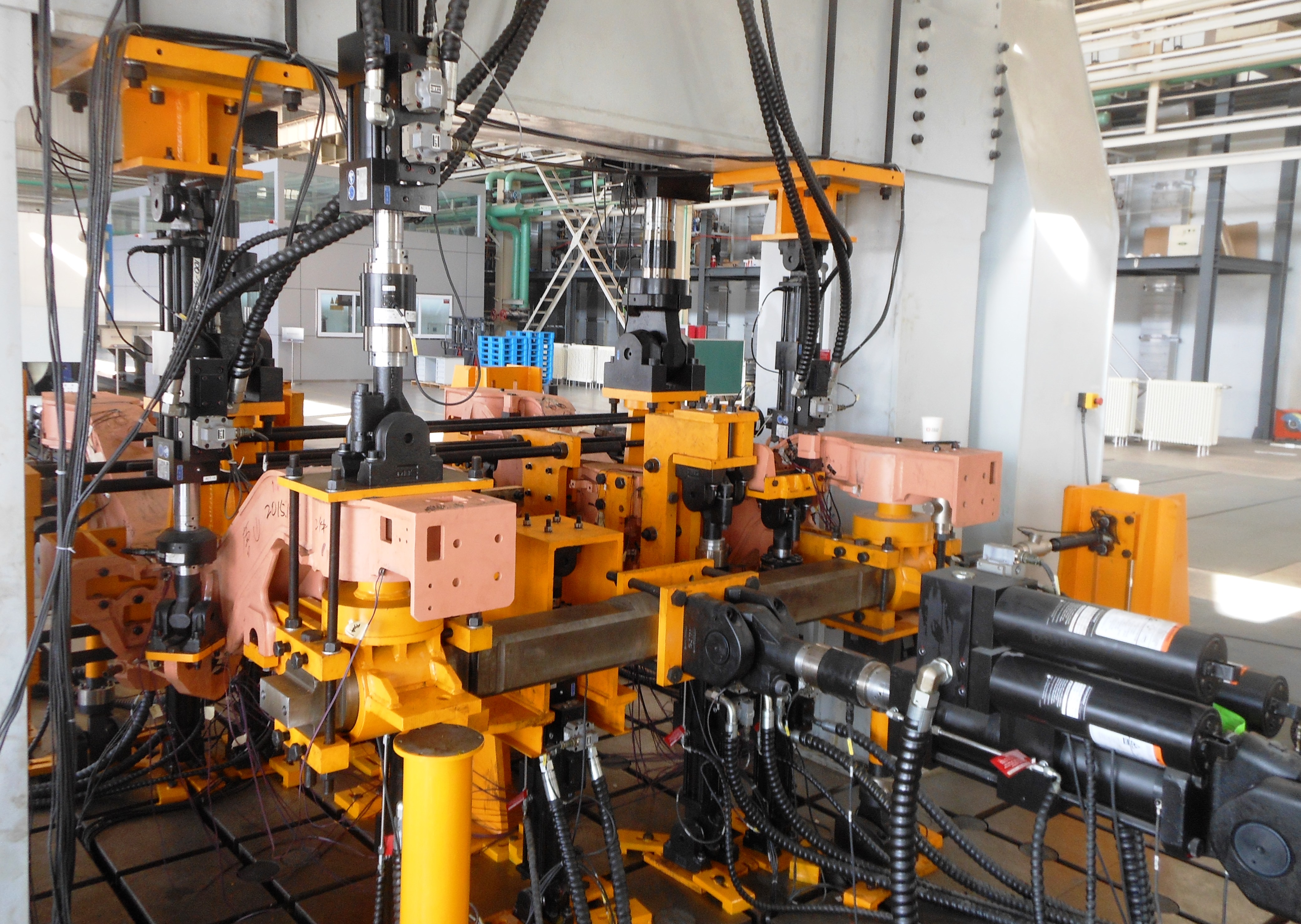
This is a fatigue test frame for a railroad bogie, or truck. Objective Engineers was called upon to inspect this lab, offer improvement suggestions, and document the capabilities.
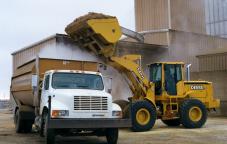
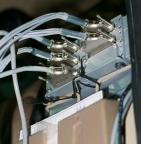
In 2001, Objective Engineers was asked to instrument and test the rollout bucket on this front end loader, for concerns relative to stress and fatigue. Sixteen strain gages were applied to the bucket, calibrated to an unattended eDaq data logger behind the operators seat, and recorded during multiple loading operations at a nearby feed lot. Objective Engineers analyzed the data and made fatigue life predictions. Results showed unacceptably short life in a few areas, and our report provided guidance for several stress reductions.
Unattended eDaq datalogger behind seat of bucket loader.
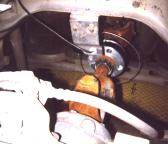
Wireless telemetry to measure highway truck driveline torque while in operation.
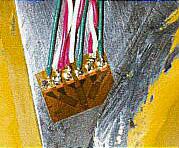
Rosette strain gage as installed on rollout bucket near weld.



 Objective Engineers